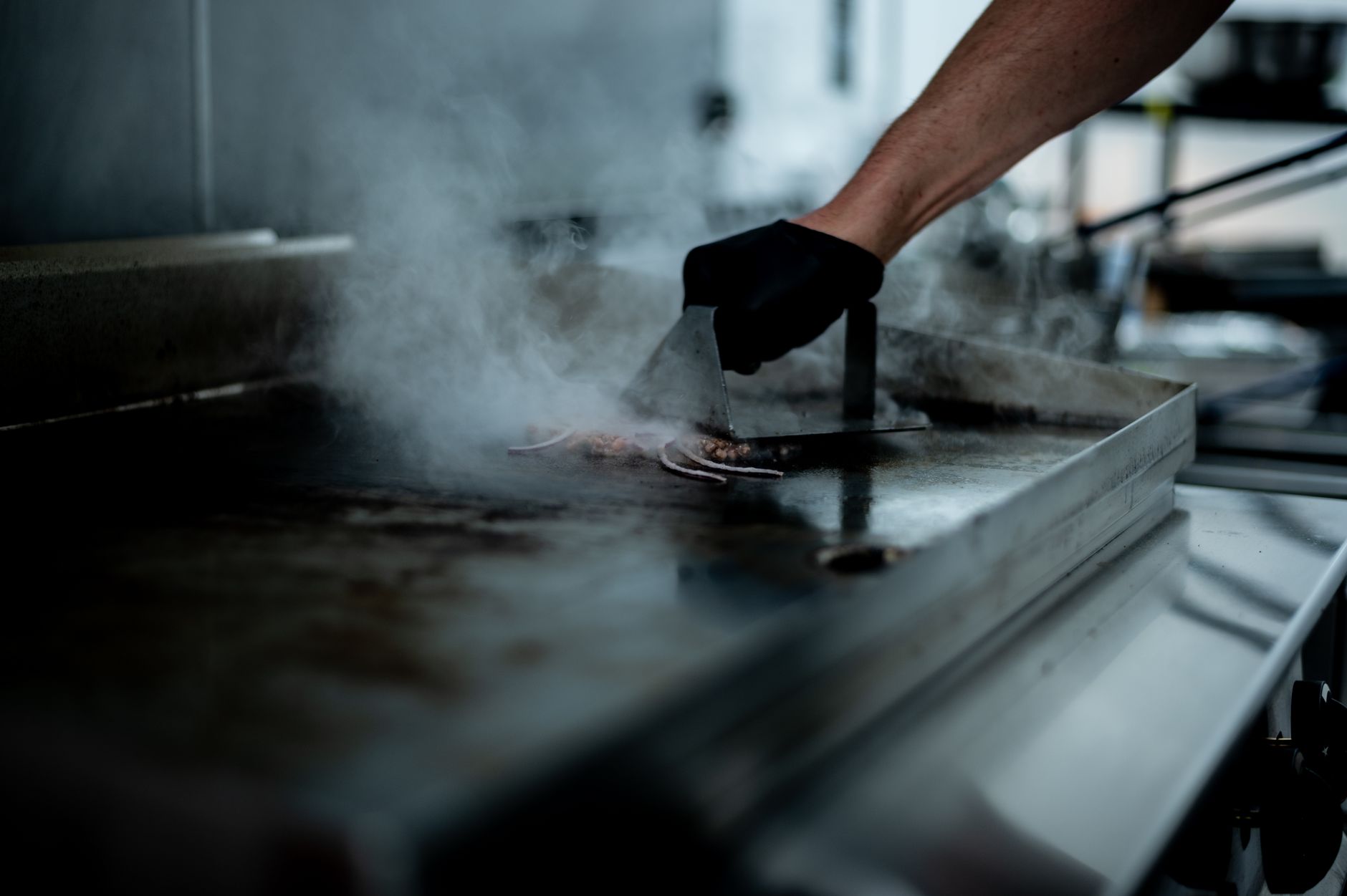
Griddling 101: How to Cook Like a Chef on Your Stovetop
Griddles aren't just for short order cooks anymore. They're the unsung heroes of home cooking, capable of turning out everything from perfectly seared steaks to crispy hash browns. But you don't need a restaurant-grade griddle to get restaurant-quality results. With our new [Griddle](https://www.bakingsteel.com/collections/all/products/baking-steel-griddle?utm_source=blog&utm_medium=post&utm_campaign=griddling101), you can get restaurant-quality results right in your own kitchen, no industrial kitchen required.
We've been testing this thing out for weeks now, and we have to say - it's a game changer. It heats up fast, distributes heat evenly, and retains that heat like nobody's business. And when you combine that with our Original Pizza Steel, you get an unbeatable combination of heat conduction and retention that will make your stovetop sing.
But enough about us - let's talk about griddling. What is it exactly? And how do you do it right? Well, we're glad you asked. Griddling is a cooking technique that involves cooking food on a flat, metal surface, like our new [Griddle](https://www.bakingsteel.com/collections/all/products/baking-steel-griddle?utm_source=blog&utm_medium=post&utm_campaign=griddling101). It's all about even heat distribution and high heat, which means you can cook food quickly and efficiently. And because it's a dry cooking method, you don't have to worry about adding extra oil or fat to your dish - just preheat the griddle, add your food, and let it do its thing.
The key to griddling is temperature control. You want to cook your food at a high heat, but not so high that it burns. Aim for around 375°F (190°C) - that's hot enough to get a good sear, but not so hot that it turns your food into charcoal. And remember, patience is key. Give your food time to cook through before you start flipping and fiddling with it. Trust us, it'll be worth the wait.
Now, let's talk about some griddling basics. Here are a few tips to help you get started:
Preheat your griddle: This is non-negotiable. Preheating your griddle ensures even heat distribution and prevents sticking. Plus, it just makes your food taste better. Trust us on this one.
Oil your griddle: If you're cooking something that needs oil (like bacon or eggs), preheat the oil on the griddle before adding your food. This helps prevent sticking and adds flavor to your dish.
Don't overcrowd your griddle: Give your food some room to breathe. Overcrowding can lead to uneven cooking and sticking.
Use a spatula: A thin, metal spatula is your best friend when it comes to griddling. It helps you flip and move your food around without scratching the surface of your griddle. Plus, it just looks cool.
Clean your griddle: After you're done cooking, clean your griddle while it's still warm. This makes cleanup


