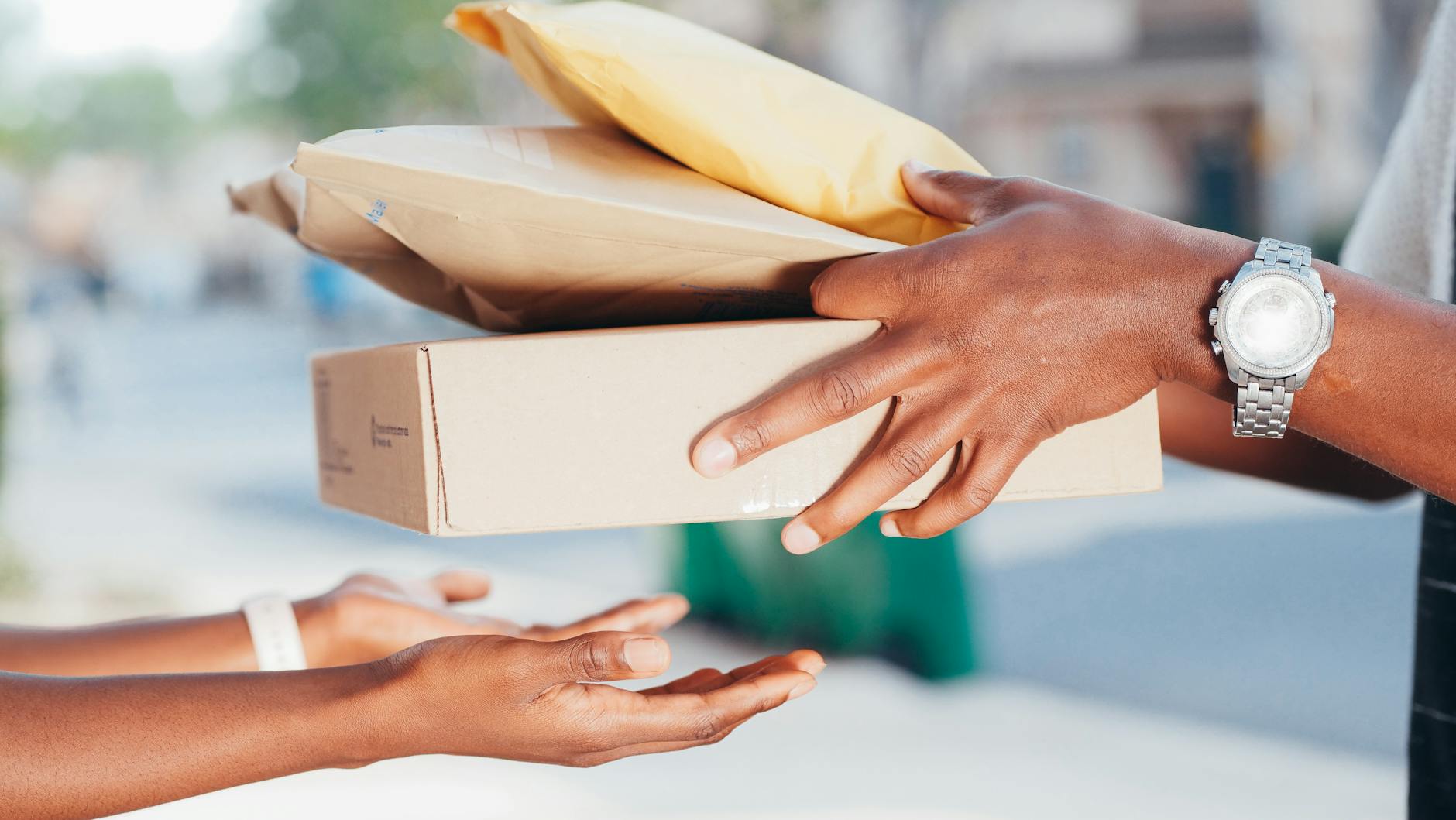
Title: How Much Does Ecommerce Fulfillment Cost?
Opener: Ecommerce fulfillment is a crucial part of the online selling process, and it's one of those things that can quickly become a money pit if you don't have a clear understanding of what it entails. From storage to shipping, there are numerous factors that contribute to the cost of ecommerce fulfillment, and understanding them is key to making informed decisions about your business strategy. In this article, we'll break down the various costs associated with ecommerce fulfillment so you can get a clearer picture of what it takes to run a successful online store.
Body: The first thing you need to consider when determining the cost of ecommerce fulfillment is storage. This includes the cost of renting or leasing warehouse space, as well as the cost of maintaining that space (e.g., utilities, insurance, security). The size of your inventory and the frequency with which it needs to be restocked will also impact this cost.
Next up is picking, packing, and shipping. These are the labor-intensive aspects of fulfillment, and they can be a major drain on your resources if you don't have them under control. If you're handling fulfillment in-house, you'll need to factor in the cost of employee salaries, benefits, and training. Alternatively, you could outsource fulfillment to a third-party logistics (3PL) provider, which would eliminate the need for an in-house team but come with its own set of fees (e.g., storage, picking, packing, shipping).
Another factor that can impact the cost of ecommerce fulfillment is the type of products you're selling. Heavy or oversized items will typically require more expensive shipping options (e.g., ground vs. air), which can drive up your overall fulfillment costs. Additionally, perishable or temperature-sensitive items may require special handling and storage, which can also add to your bottom line.
Finally, don't forget about the cost of returns. If you offer free returns to customers, you'll need to factor in the cost of shipping those items back to you (and potentially restocking them if they're still sellable). You should also consider the potential impact on your bottom line if a high percentage of returned items are unsellable due to damage or other issues.
Close: Ecommerce fulfillment is a complex beast, but by breaking it down into its various components, you can get a better handle on what it takes to run a successful online store. Understanding the factors that contribute to the cost of fulfillment will help you make informed decisions about your business strategy, from determining pricing to deciding whether or not to outsource fulfillment to a 3PL provider. Remember: knowledge is power, and in the world of ecommerce, it can mean the difference between success and failure. So do your research, stay informed, and keep striving for excellence—your customers will thank you for it.


